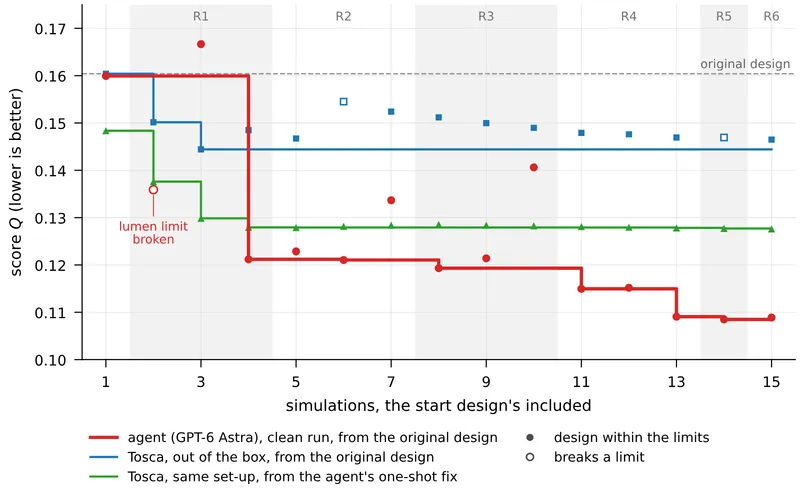
A language model agent edited about 1,650 settings in a stent's CAD model, the computer drawing used to build the part. It ran only 15 simulations and improved the design further than a standard industrial tool given the same budget. The work is a preprint and has not been peer reviewed.
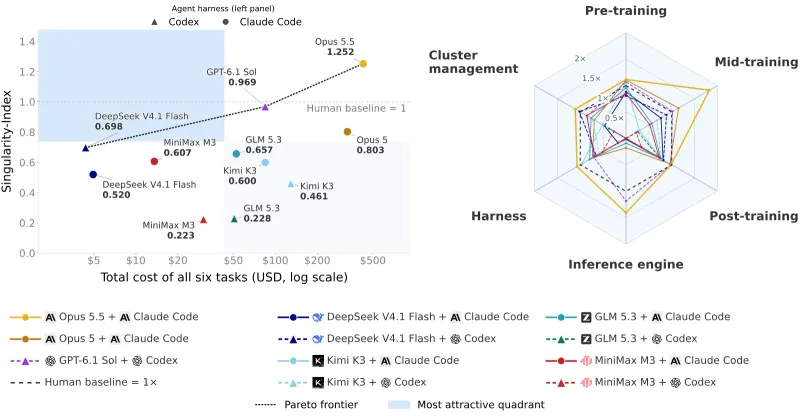
A new benchmark asks coding agents to build training, serving and scheduling systems from a bare starting point. One of 11 agents matched or beat the human-built reference on every task, and the test itself had to be hardened against cheating.
A preprint from Peking University, JD.com and others trains 4B and 9B models to save their progress in ordinary files during long tasks. Teaching memory through familiar file commands worked better than teaching purpose-built memory tools.
A new benchmark built from real researcher sessions finds the best of seven models fully completes only two-thirds of tasks. Scores fall sharply once earlier decisions and existing files are checked.
A preprint proposes that AI agents should treat each lesson learned from a task as a hypothesis to test, and keep it only if it helps without breaking anything. The benchmark gains are large, but the comparisons need care and no code is released.
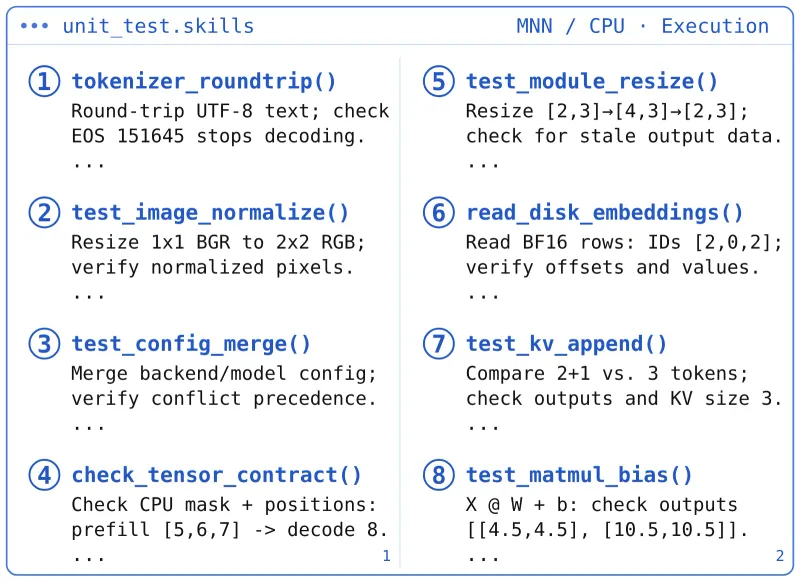
A preprint describes EngineAgent, a set of AI agents that adapts on-device inference engines to new language models. It passed 9 of 12 tasks against 4 for the best general coding agent. The benchmark is small and the authors built it themselves.