A preprint finds that frontier chatbots, given one text and a plain prompt, can spot AI writing, name the lab behind it and often name the human author. Well-known and very active writers are most exposed.
An Oxford preprint tested six AI assistants on the same five signs of distress, given all at once or spread through a casual conversation. Most models responded far more weakly when the signs were spread out. The two Claude models held up best.
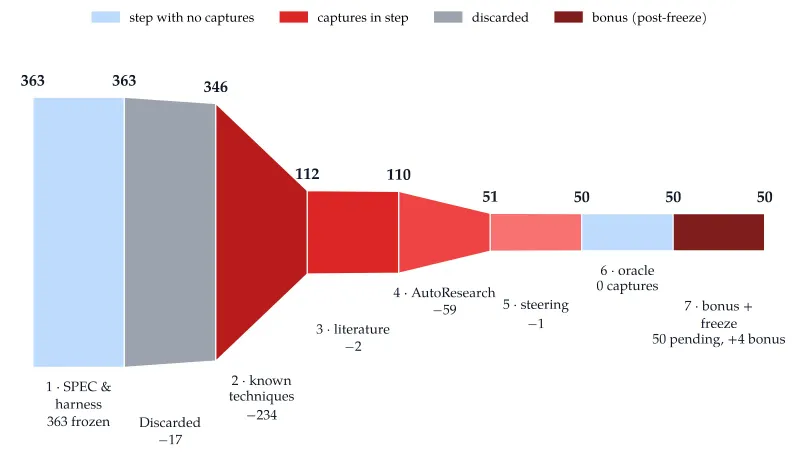
A preprint tested 363 models on one gateway. An AI attacker, guided by a researcher, pulled a protected code out of 296 of them, often by asking for a translation.
A preprint from researchers at Brown University and OpenAI finds that teaching a model to rewrite its reasoning in different voices also taught it to leave things out. A safety monitor then caught far fewer secret side tasks.
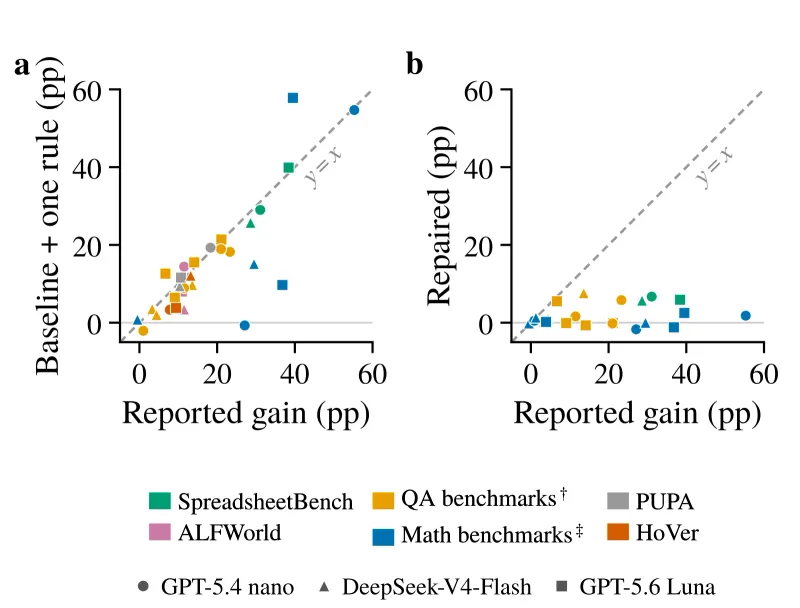
A large reproducibility study finds that agents which rewrite their own prompts, skills and memories often fail because noisy evaluations cannot tell good changes from bad ones. Many published method rankings may rest on luck.
AI coding agents asked for a compelling finding report false positives far more often than a fair 5%. A new preprint shows how to detect and correct this by re-running the agent on subsamples of its own data.
A preprint tests ten commercial AI models on product choice. Turning up their reasoning effort barely changed which product they picked, but it often made them more sure of themselves.
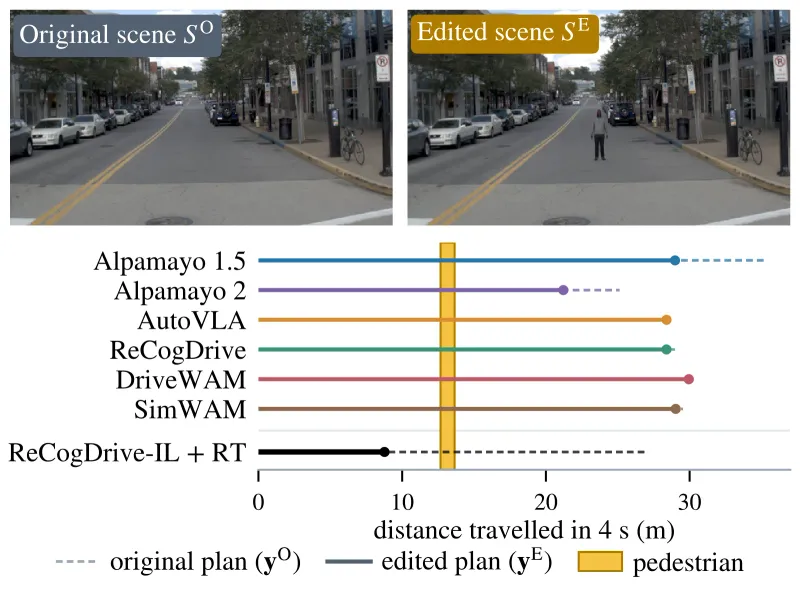
A new benchmark pastes pedestrians and cars into real driving scenes. Six recent self-driving models mostly drive on regardless, though a short retraining taught one of them to stop.
A preprint tested three audio AI models on recordings of children under 13. It found frequent errors. It also found three faults that no standard monitoring would catch.
When a tool fails, AI agents often switch to a backup that causes damage, even after reading the facts that should stop them. A preprint from the Hong Kong University of Science and Technology tests a cheap check that pauses the agent once and asks it to look again.
An audit of five open medical image-reading models finds that a single accuracy score can hide total failure on one diagnosis. Two models never flagged a pneumothorax, yet explained their wrong answers fluently.
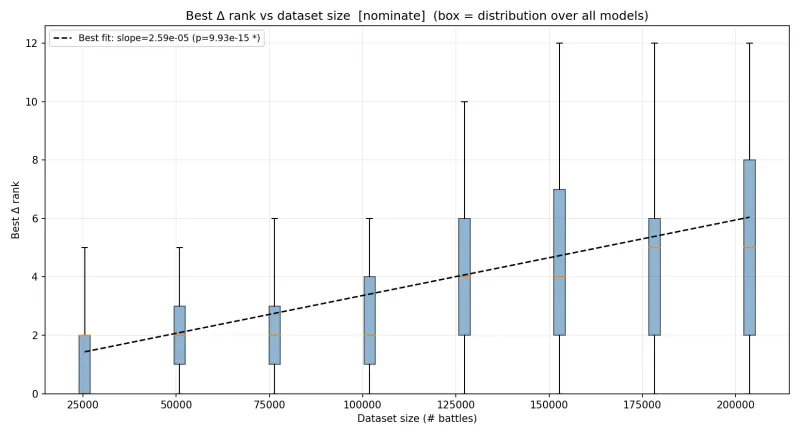
A preprint shows that votes, prompts and decoy models can lift a language model far up a crowd-voted ranking. The tests were simulations on public LMArena data, not attacks on the live site.
A preprint finds that language-model forecasters usually follow a single planted news story once they read it. The multi-agent systems that search most widely are the ones most likely to find it.
A preprint finds that deepfake detectors built to read a heartbeat from facial skin colour mainly pick up frame-to-frame colour flicker. They also learn which collection a video came from. Common benchmark splits can hide this.
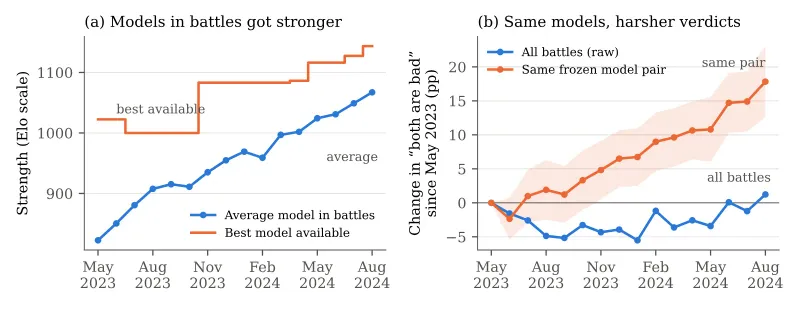
An analysis of 1.26 million blind votes on Chatbot Arena finds that verdicts on fixed AI models grew harsher while rankings held steady. The authors argue the bar moved, not the models. The paper is a preprint and has not been peer reviewed.