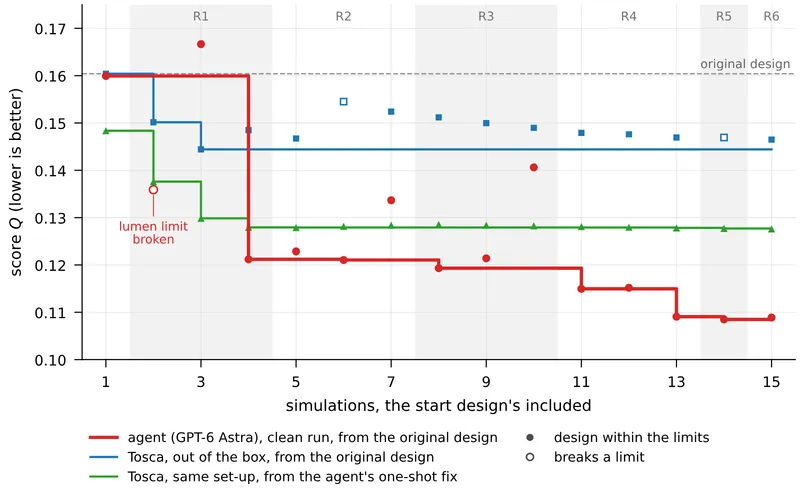
A language model agent edited about 1,650 settings in a stent's CAD model, the computer drawing used to build the part. It ran only 15 simulations and improved the design further than a standard industrial tool given the same budget. The work is a preprint and has not been peer reviewed.
A preprint finds that when AI models repeatedly tidy up expert-written agent instructions with no testing, the instructions get worse. The first knowledge to go is the part the model could not have written itself.
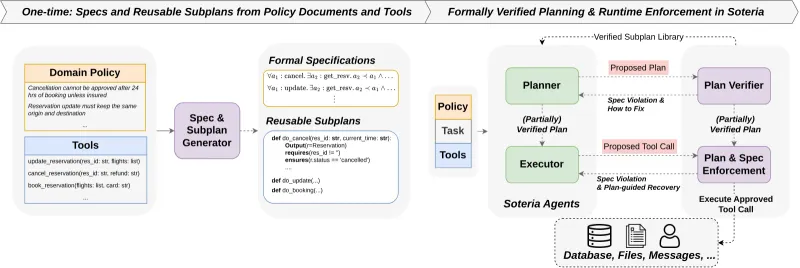
A Princeton and Snowflake team reports an AI agent setup that broke none of its written rules across 207 benchmark tasks. It also finished more tasks than four existing guardrail methods. The work is a preprint and has not been peer reviewed.
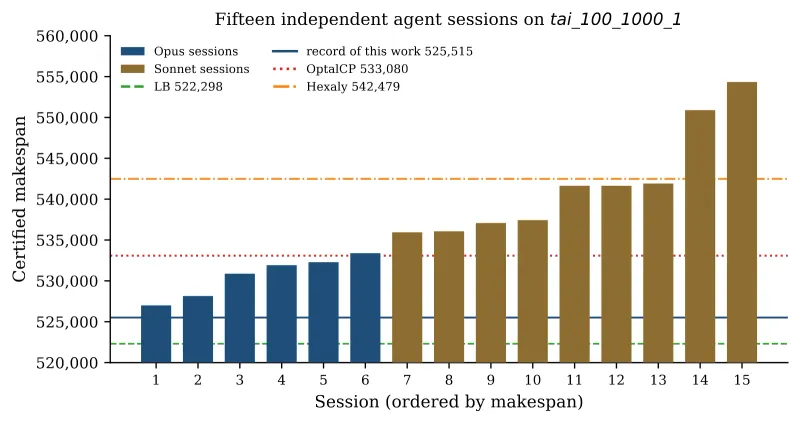
A preprint reports that Claude Code, using only free software, wrote factory-scheduling programs. On the same computer, these came closer to the best possible result than the paid solvers CP Optimizer and Hexaly. The advantage held on large, regular test problems, but not on every problem type.
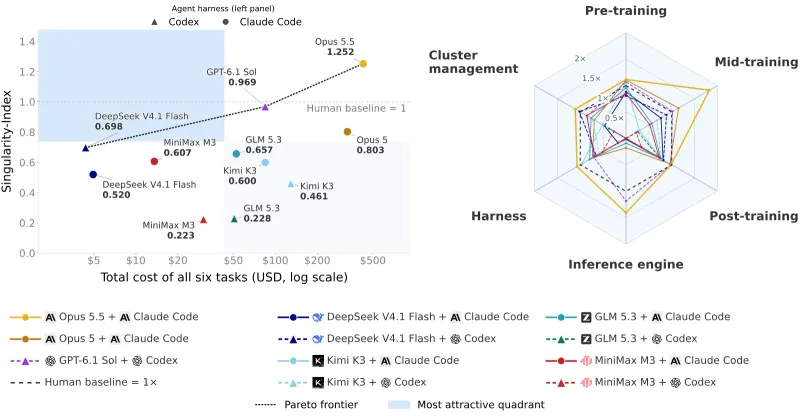
A new benchmark asks coding agents to build training, serving and scheduling systems from a bare starting point. One of 11 agents matched or beat the human-built reference on every task, and the test itself had to be hardened against cheating.
A Cornell-led preprint finds coding agents can write programs that learn from a few labelled images plus many unlabelled ones, sometimes better than expert methods. Choosing the winning program without labels remains the hard part.
A new benchmark built from real researcher sessions finds the best of seven models fully completes only two-thirds of tasks. Scores fall sharply once earlier decisions and existing files are checked.
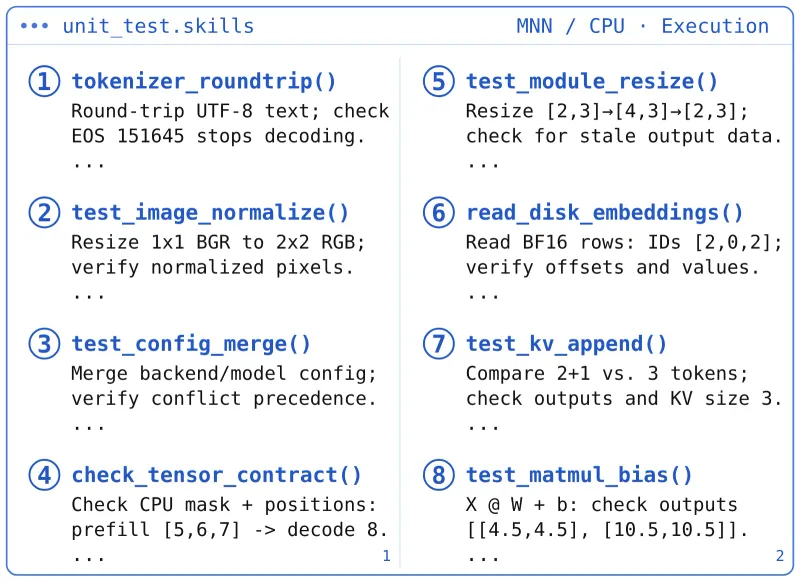
A preprint describes EngineAgent, a set of AI agents that adapts on-device inference engines to new language models. It passed 9 of 12 tasks against 4 for the best general coding agent. The benchmark is small and the authors built it themselves.